Getting Started with Home Food Growing Tips
Growing your own food at home is a rewarding way to connect with nature and enjoy fresh, healthy produce. It’s easier than you might think. With a little planning and effort, you can create a thriving garden that feeds your body and soul. I’ll guide you through the basics and share practical tips to get you started today.
Why Start Growing Your Own Food?
Growing food at home gives you control over what you eat. You avoid chemicals and pesticides. You save money and reduce waste. Plus, gardening is a calming activity that brings you closer to the earth. It’s a step towards a more sustainable lifestyle.
You don’t need a big garden. Even a small balcony or windowsill can support herbs, salad greens, or tomatoes. Start small and build your confidence. The joy of harvesting your own food is worth every effort.
Essential Home Food Growing Tips
Start by choosing the right plants for your space and climate. In the UK, cool-season crops like lettuce, kale, and peas do well. Herbs such as parsley, mint, and chives are easy to grow indoors or outside.
Here’s how to begin:
Pick your spot: Find a place with good sunlight. Most vegetables need 6 hours of direct light daily.
Prepare your soil: Use quality compost or potting mix. Healthy soil means healthy plants.
Choose seeds or seedlings: Seeds are cheaper but take longer. Seedlings give you a head start.
Water wisely: Keep soil moist but not soggy. Overwatering can harm roots.
Feed your plants: Use organic fertilisers to boost growth.
Watch for pests: Check leaves regularly. Handpick pests or use natural remedies.
Starting with easy crops builds your skills and confidence. Try radishes, spinach, or spring onions first. They grow quickly and show results fast.
Tools and Containers for Home Food Growing
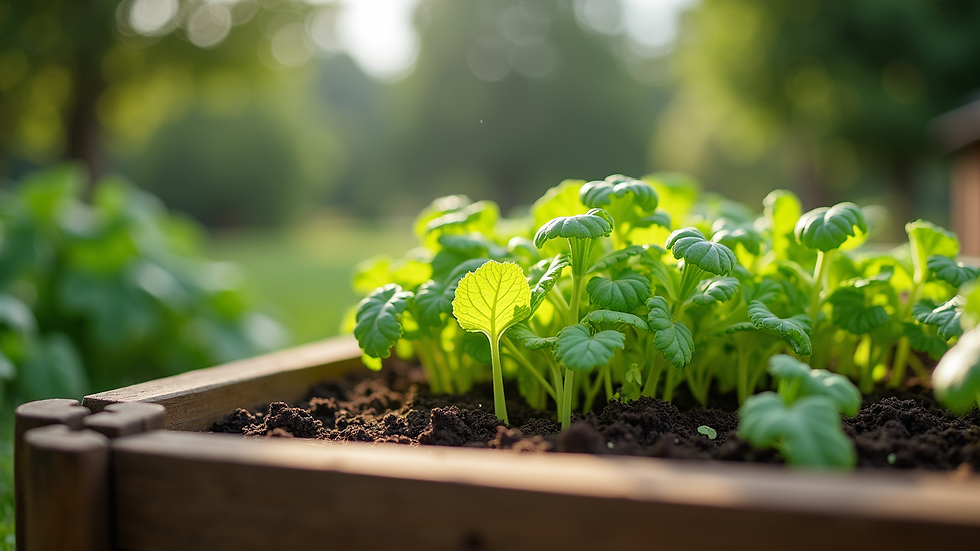
You don’t need fancy tools to start. Basic equipment will do. A small trowel, watering can, and gloves are enough for most tasks. Containers are important if you lack garden space.
Container options include:
Pots and window boxes
Grow bags
Recycled containers with drainage holes
Make sure containers have good drainage to prevent root rot. Use lightweight pots if you plan to move them around.
For soil, buy organic compost or make your own. Avoid garden soil in pots as it can be too dense and carry diseases.
How to Extend Your Growing Season
The UK climate can be unpredictable. To get the most from your garden, extend your growing season with simple methods.
Use cloches or cold frames to protect plants from frost.
Grow under cover with polytunnels or greenhouses.
Start seeds indoors early to transplant later.
Choose hardy varieties suited to cooler weather.
These techniques help you enjoy fresh food from early spring to late autumn. They also reduce waste by giving plants a longer growing window.
Harvesting and Using Your Homegrown Food
Harvesting is the best part. Pick vegetables when they are young and tender for the best flavour. Leafy greens like lettuce and spinach can be cut repeatedly to encourage new growth.
Store your harvest properly. Keep herbs fresh by placing stems in water. Use root vegetables within a few weeks or store in a cool, dark place.
Experiment with recipes that highlight your fresh produce. Simple salads, soups, and stir-fries work well. You’ll notice the difference in taste and nutrition.
If you want more ideas and support, check out a home food growing blog online for inspiration and community tips.
Growing Food is a Journey Worth Taking
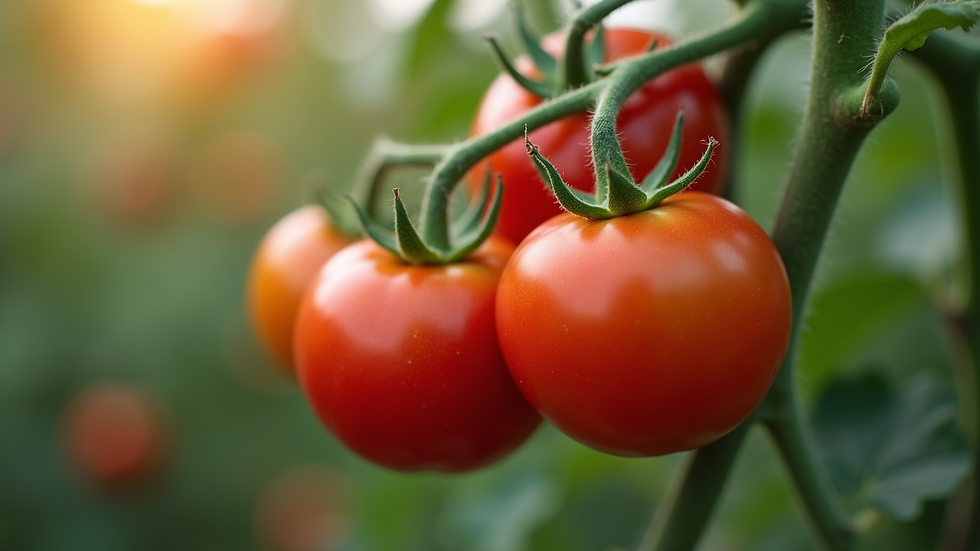
Starting your own food garden is a step towards a healthier, more sustainable life. It connects you with nature and teaches patience and care. Every seed you plant is a small act of hope and renewal.
Keep learning and experimenting. Share your successes and challenges with others. Together, we can build a community that values natural, regenerative food practices.
Enjoy the process. Your garden will grow, and so will your appreciation for the food on your plate.


Comments