Mastering Home Food Cultivation Tips
Growing your own food at home is a rewarding journey. It connects you with nature and gives you control over what you eat. I want to share practical techniques that help you master home food cultivation. These tips suit any space, from a small balcony to a large garden. Let’s dive in and make your home a thriving food source.
Start with the Right Soil and Containers
Healthy plants begin with healthy soil. Choose soil rich in organic matter. Compost is your best friend here. It improves soil structure, retains moisture, and feeds plants naturally. If you use containers, pick ones with good drainage holes. This prevents waterlogging and root rot.
Use a mix of compost, garden soil, and coarse sand for containers.
Avoid heavy clay soils that hold too much water.
Test soil pH if possible; most vegetables prefer slightly acidic to neutral soil (pH 6-7).
For small spaces, vertical planters or raised beds work well. They keep soil loose and accessible. You can also control soil quality better in containers.

Healthy soil is the foundation of successful home food cultivation.
Essential Home Food Cultivation Tips for Beginners
Start simple. Choose easy-to-grow plants like lettuce, radishes, herbs, and tomatoes. These give quick results and build your confidence. Here are some key tips to keep in mind:
Sunlight: Most edible plants need 6-8 hours of direct sunlight daily. Observe your space and place plants accordingly.
Watering: Water deeply but less often. This encourages strong roots. Avoid overwatering which causes disease.
Spacing: Give plants enough room to grow. Crowded plants compete for nutrients and light.
Pest control: Use natural methods like neem oil, companion planting, or handpicking pests. Avoid harsh chemicals.
Crop rotation: Change plant locations each season to prevent soil depletion and disease buildup.
Keep a gardening journal. Note what works and what doesn’t. This helps you improve each season.

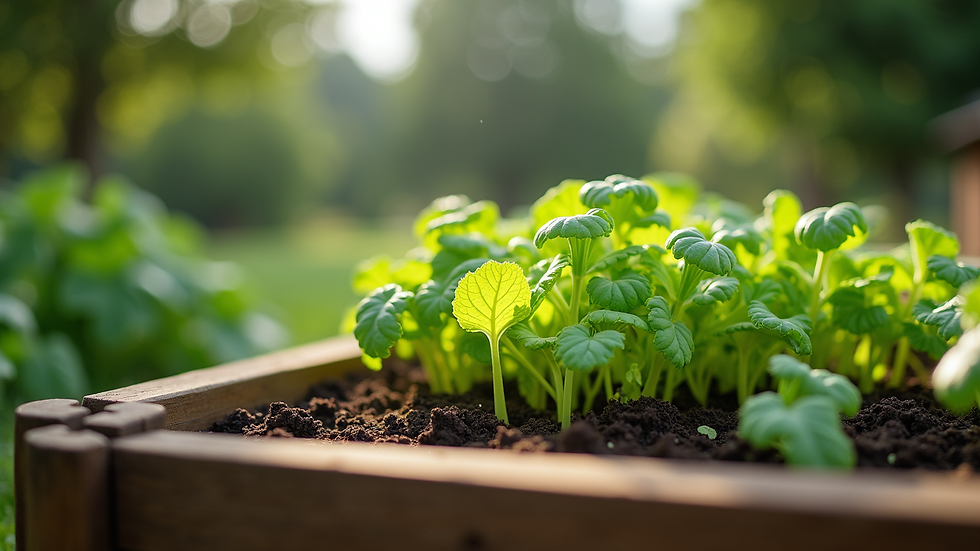
Sunlight and proper spacing help vegetables thrive in home gardens.
Choosing the Right Plants for Your Space
Not all plants suit every home environment. Consider your climate, space, and time available. Here are some suggestions:
Small spaces: Herbs (basil, mint, parsley), salad greens, dwarf tomatoes, and peppers.
Medium spaces: Root vegetables (carrots, beets), beans, courgettes, and strawberries.
Larger gardens: Potatoes, pumpkins, fruit trees, and perennial herbs.
Choose varieties bred for your region’s climate. They resist local pests and weather better. For example, in the UK, look for hardy varieties that tolerate cooler temperatures and shorter growing seasons.
Start seeds indoors if your growing season is short. This gives plants a head start before transplanting outside.
Maximising Yield with Smart Techniques
To get the most from your home food cultivation, use these techniques:
Succession planting: Sow new seeds every few weeks. This ensures a continuous harvest.
Intercropping: Plant fast-growing crops between slower ones. For example, radishes between carrots.
Mulching: Cover soil with straw, leaves, or compost. Mulch retains moisture, suppresses weeds, and adds nutrients.
Pruning: Remove dead or crowded leaves to improve air circulation and light penetration.
Vertical growing: Use trellises or cages for climbing plants like beans and cucumbers. This saves space and improves yield.
These methods increase productivity without extra space or effort.
Sustainable Practices for Home Food Cultivation
Growing your own food is a step towards sustainability. Here’s how to make your garden eco-friendly:
Collect rainwater: Use barrels to water plants and reduce tap water use.
Compost kitchen scraps: Turn vegetable peelings and coffee grounds into nutrient-rich compost.
Avoid synthetic fertilisers: Use organic alternatives like seaweed extract or manure.
Encourage beneficial insects: Plant flowers like marigolds and nasturtiums to attract pollinators and predators of pests.
Save seeds: Harvest seeds from your healthiest plants to grow next season.
These practices reduce waste and support a healthy ecosystem around your home.
Join a Community and Keep Learning
Gardening is more fun and effective when you connect with others. Join local gardening groups or online forums. Share your successes and challenges. You can find inspiration and advice on a home food growing blog online.
Attend workshops or visit community gardens. These experiences deepen your knowledge and skills. Remember, every gardener started as a beginner.
Growing Wild and Foraged Ingredients
Beyond cultivated plants, wild-harvested foods add variety and nutrition. Learn to identify edible wild plants like nettles, dandelions, and wild garlic. Foraging connects you with nature’s cycles and seasons.
Always forage responsibly:
Only pick from clean, pesticide-free areas.
Take only what you need.
Respect local laws and protected species.
Incorporate wild ingredients into your cooking for unique flavours and health benefits.
Keep Improving Your Home Food Cultivation Skills
Mastering home food cultivation is a continuous journey. Experiment with new plants and techniques. Observe your garden daily. Adjust watering, feeding, and pest control as needed.
Track your progress and celebrate small wins. Growing your own food is empowering. It nurtures your body and soul.
Start today. Your garden will thank you.

Consistent care and learning lead to a flourishing home food garden.

Comments